Drawn Dialogues: Resolving Disputes Through Comics
Foundations: Panels, Perspectives, and Peace
Reading the Panels Like Feelings Maps
When students scan a panel, they decode posture, proximity, and subtle visual cues before any words appear. This slow noticing invites them to label feelings accurately and connect triggers with needs. By marking facial expressions, gesture lines, and background symbols, learners recognize escalation patterns and identify the exact moment where a respectful question or pause could redirect the entire interaction toward repair.
From Rising Action to Repair
Great comics model a clear arc: misunderstanding, escalation, turning point, and restitution. Mapping each phase onto a conflict allows students to anticipate friction while preparing language for de-escalation. They experiment with alternatives at the turning point panel, rewriting dialogue to replace accusations with observations, describing impact, and proposing concrete next steps. Practice builds confidence, making peacemaking feel intentional rather than accidental.
Empathy Through Split Perspectives
Parallel panels that show two viewpoints side by side make empathy tangible. When learners witness the same hallway shove from both characters, they notice clashing interpretations and hidden worries. This visual juxtaposition helps groups reframe stubborn positions as unmet needs, encouraging questions like what do you wish others understood. Such framing reduces defensiveness and opens room for mutually respectful agreements that endure.
Lesson Design That Sparks Calm Conversations
Warm-Ups That Lower Defenses
Scripts That Rehearse Respect
Rubrics That Reward Repair
Inclusive Portrayals That Build Trust

Characters Beyond Stereotypes

Accessible Language and Layouts

Safety Lines and Support
A Practical Digital Toolkit
Paper, Scissors, Sticky Notes
Collaborative Creation in the Cloud
Tools and Techniques, Digital and Hands-On
Stories From Real Classrooms and Teams

Seventh-Grade Hallway Victory
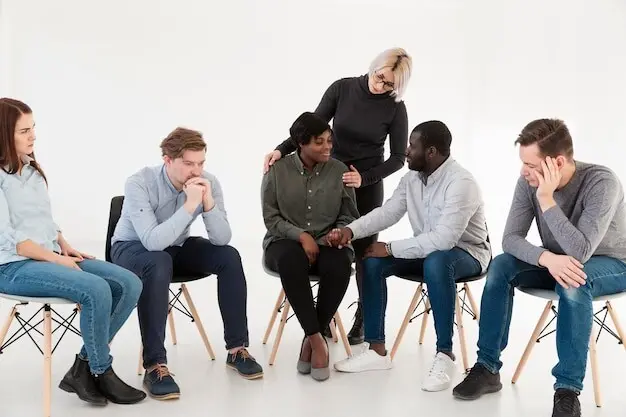
Youth Center Chatroom Turnaround
Beyond School Walls: Families and Communities

All Rights Reserved.